runtech-logo.png
Back to the product list

RunEco Paper Machine Vacuum Blower Systems

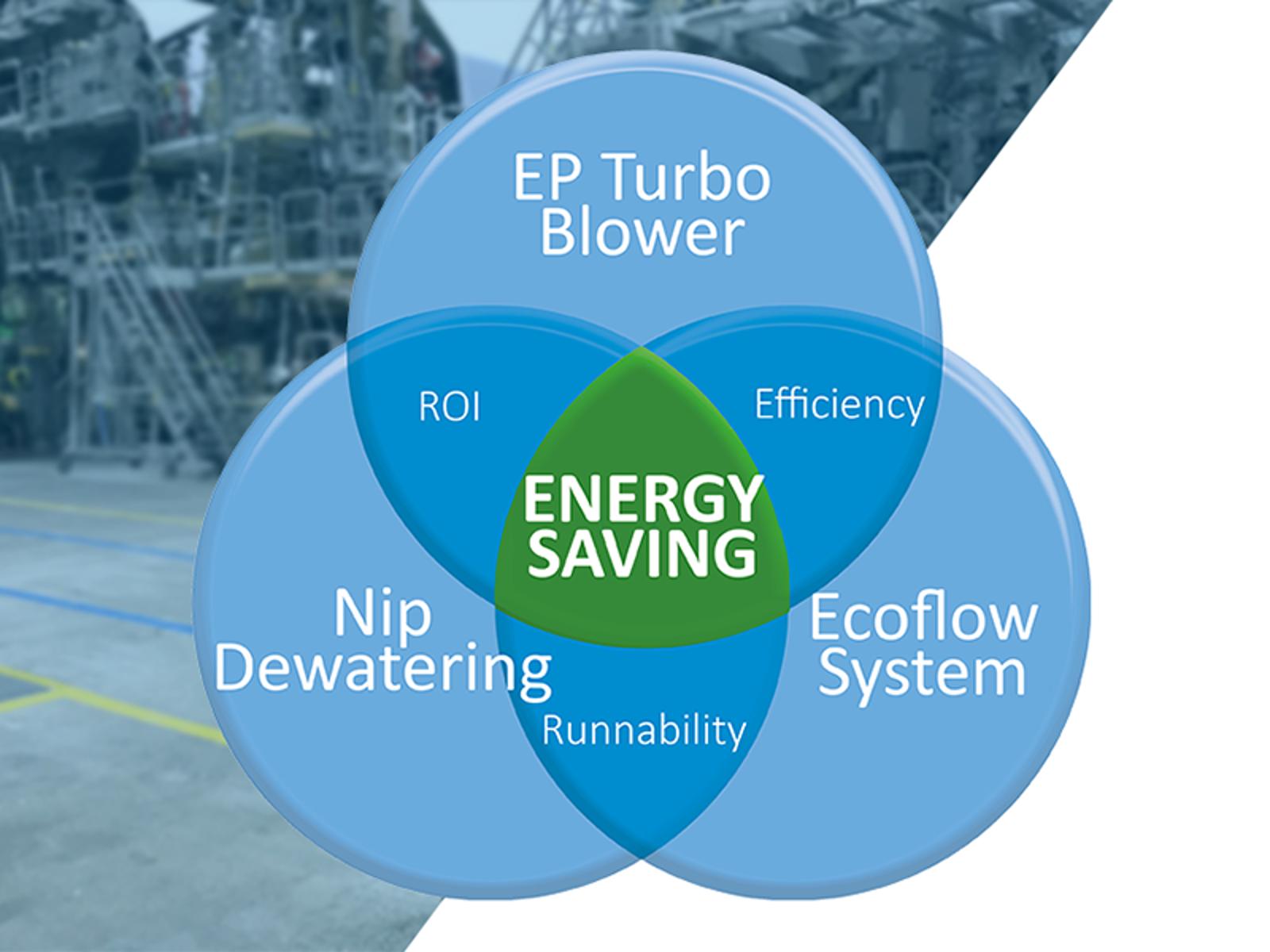
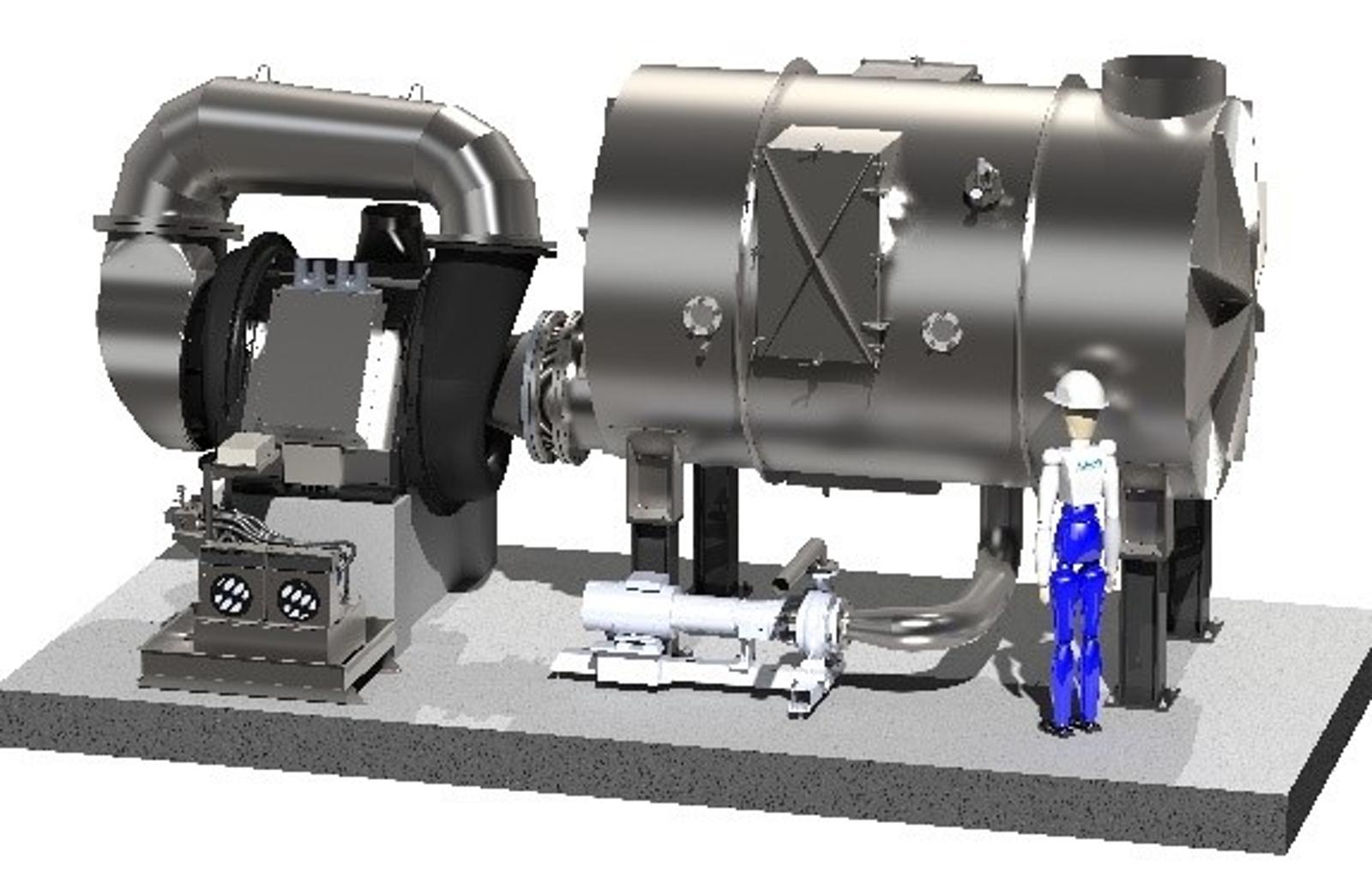
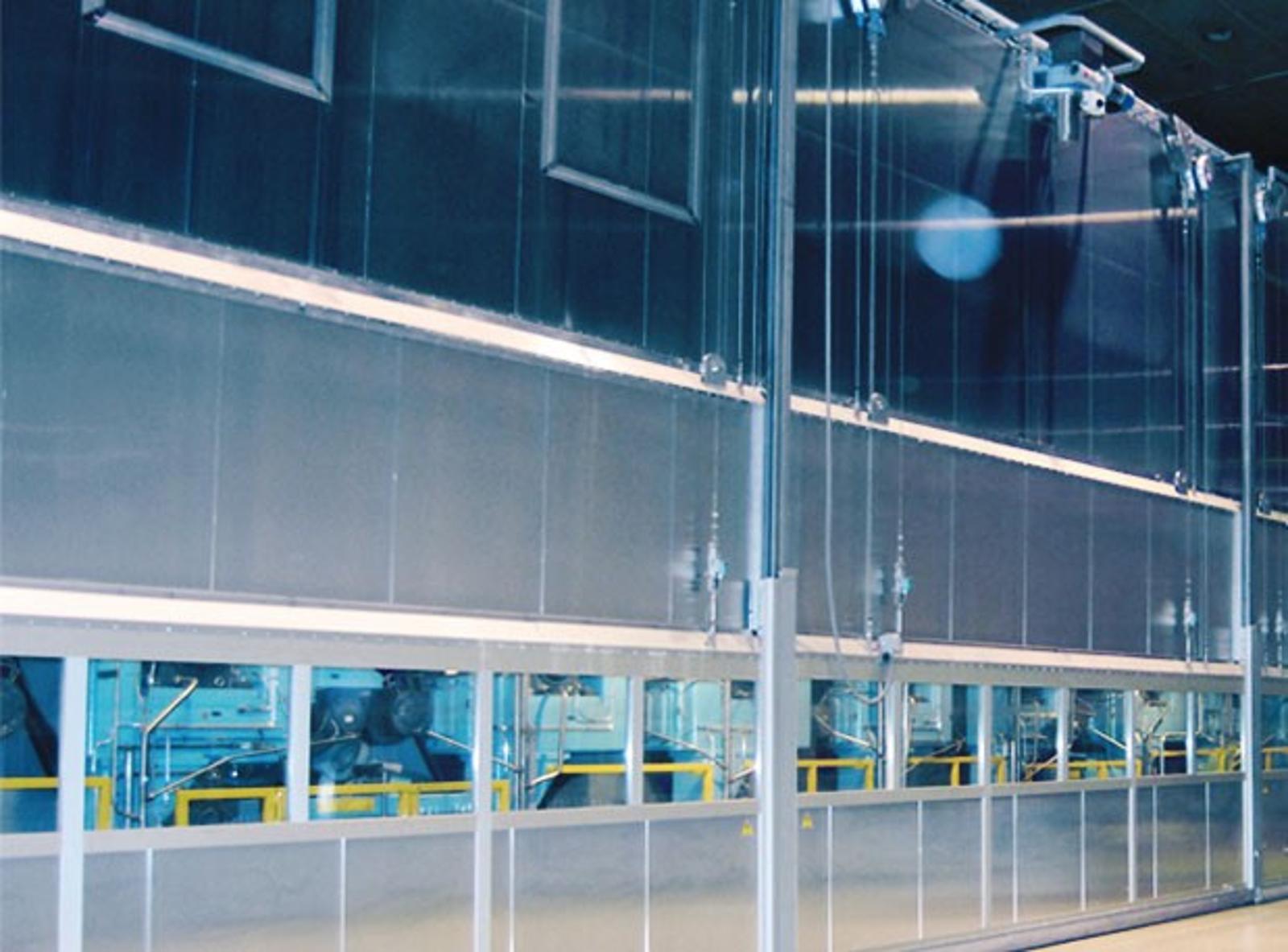
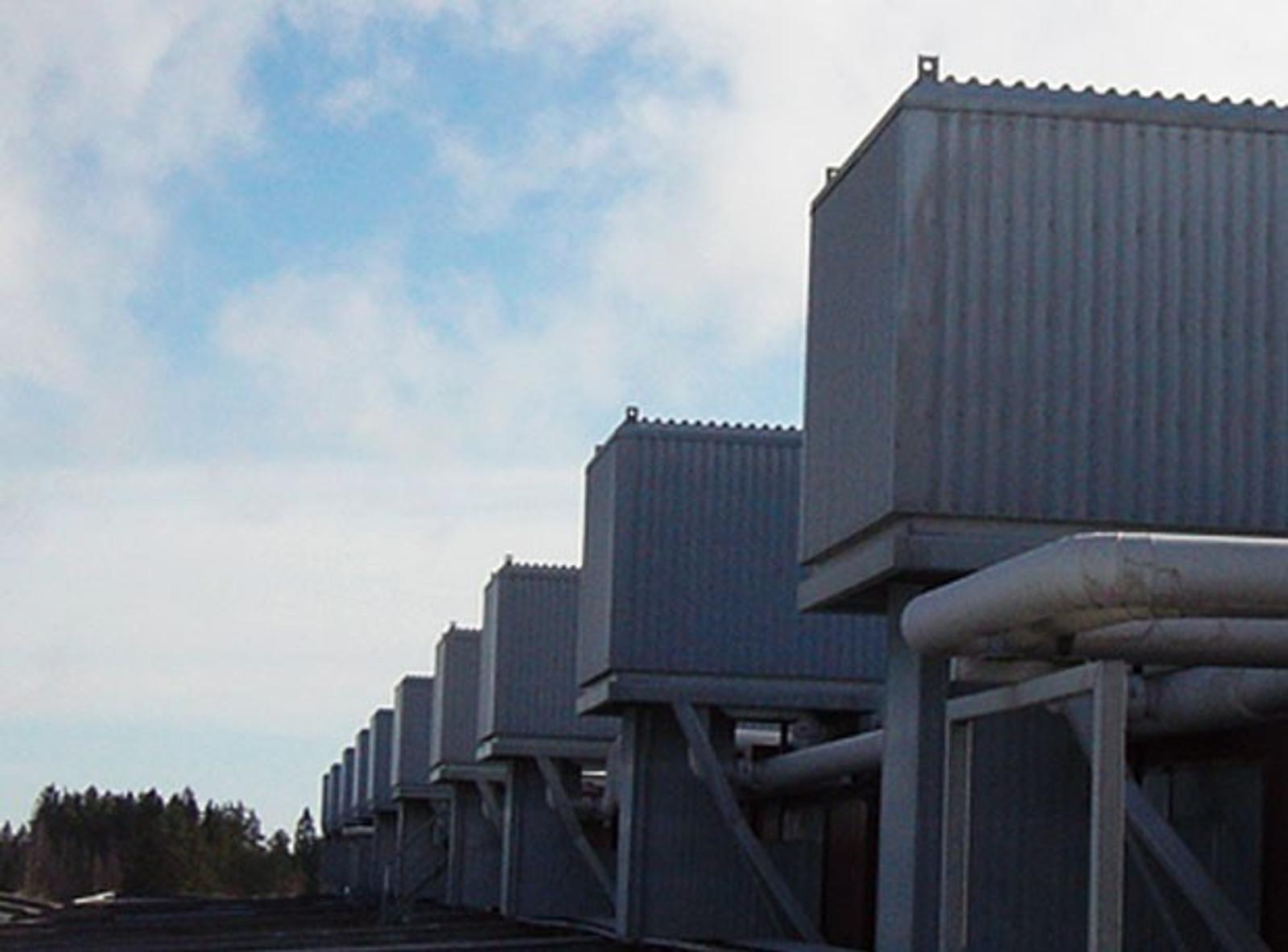
RunEco Paper Machine Vacuum Blower System presents a sustainable and environmentally responsible vacuum solution tailored for the paper industry. This system operates without water, enhancing reliability and significantly cutting CO2 emissions. RunEco's approach substitutes traditional vacuum level increases with adjustable-speed turbo blowers, alongside optimized doctoring and save-all systems. Optimal energy savings are achieved by applying vacuum precisely where necessary, facilitated by real-time, accurate water flow measurements. EcoFlow dewatering meters play a critical role in fine-tuning vacuum levels, preventing excessive energy consumption and contributing to overall system efficiency.

With the RunEco Vacuum System, you can save 30% to 70% in energy costs. In addition, no water sealing is needed. Efficient exhaust side heat recovery systems can also be included in the RunEco solution. This results in improved overall heat recovery and energy efficiency. Normal payback time for a typical RunEco Vacuum System rebuild is 1-3 years. Our main target is to bring notable energy savings and highly improved process efficiency for board, tissue and paper mills.

Total Vacuum Solution

Vacuum at a paper machine is used for a variety of reasons, for dewatering the paper sheet but also for holding and controlling the paper route through the press section and conditioning the press felts. Vacuum is also used to hold and control the water jet at a suction roll.

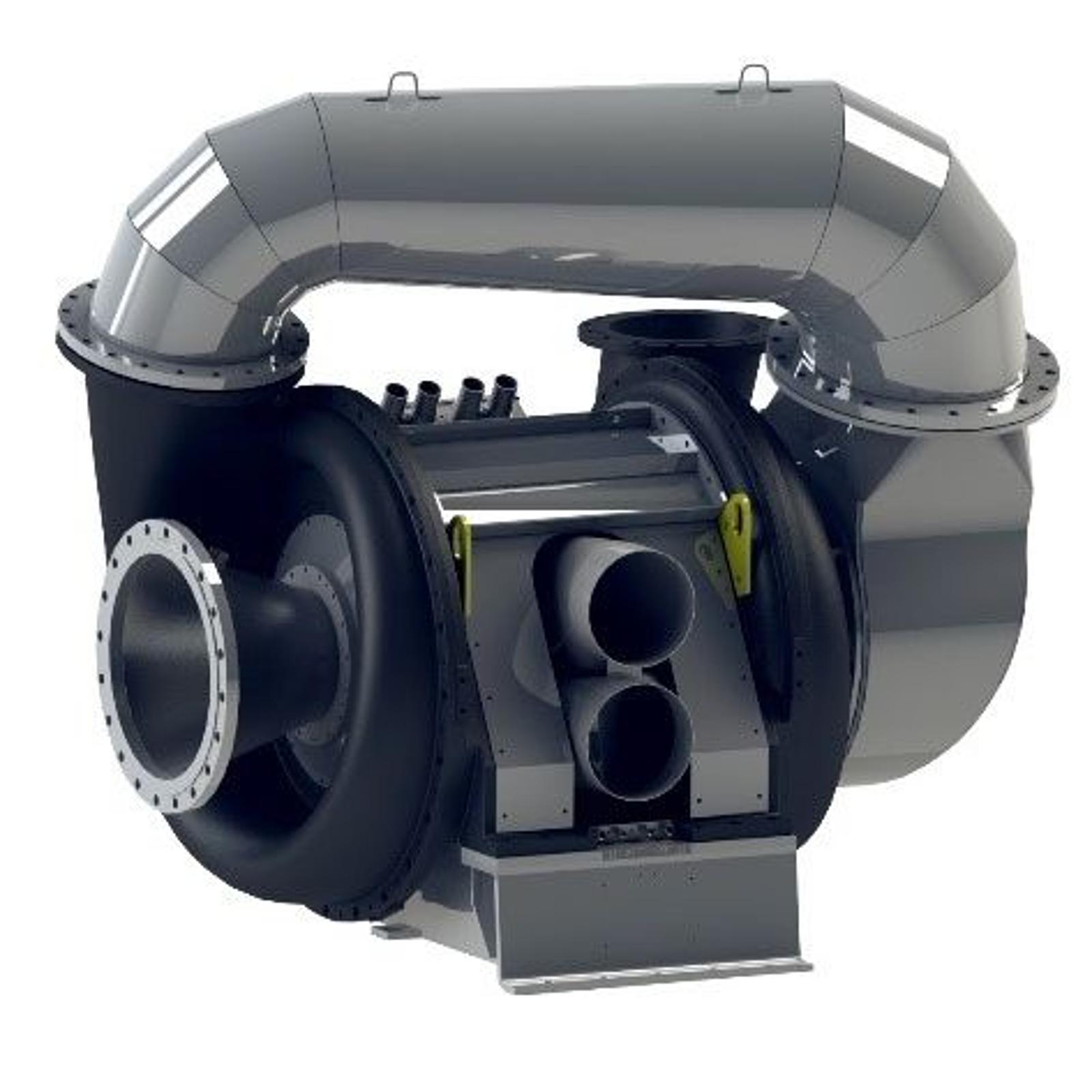
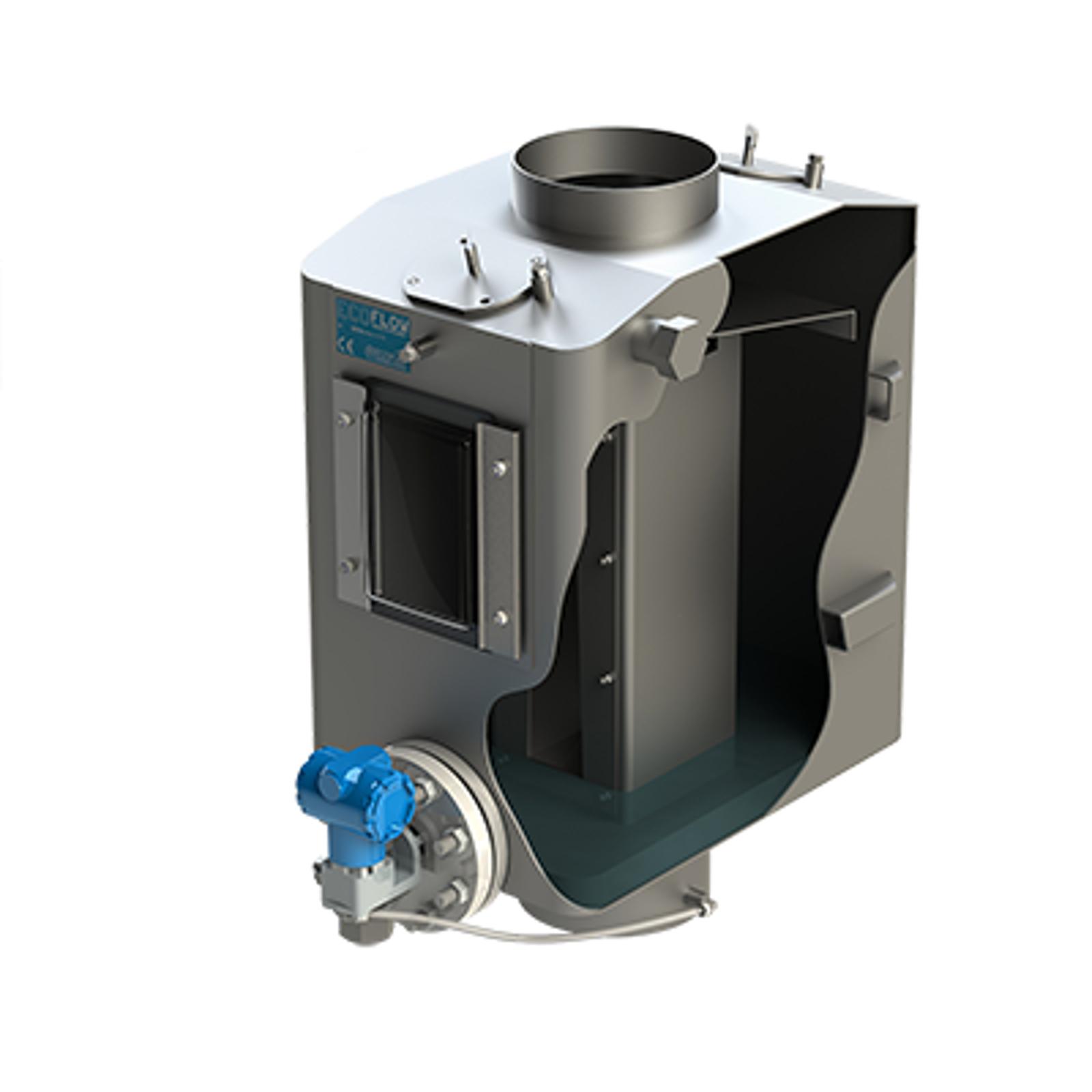
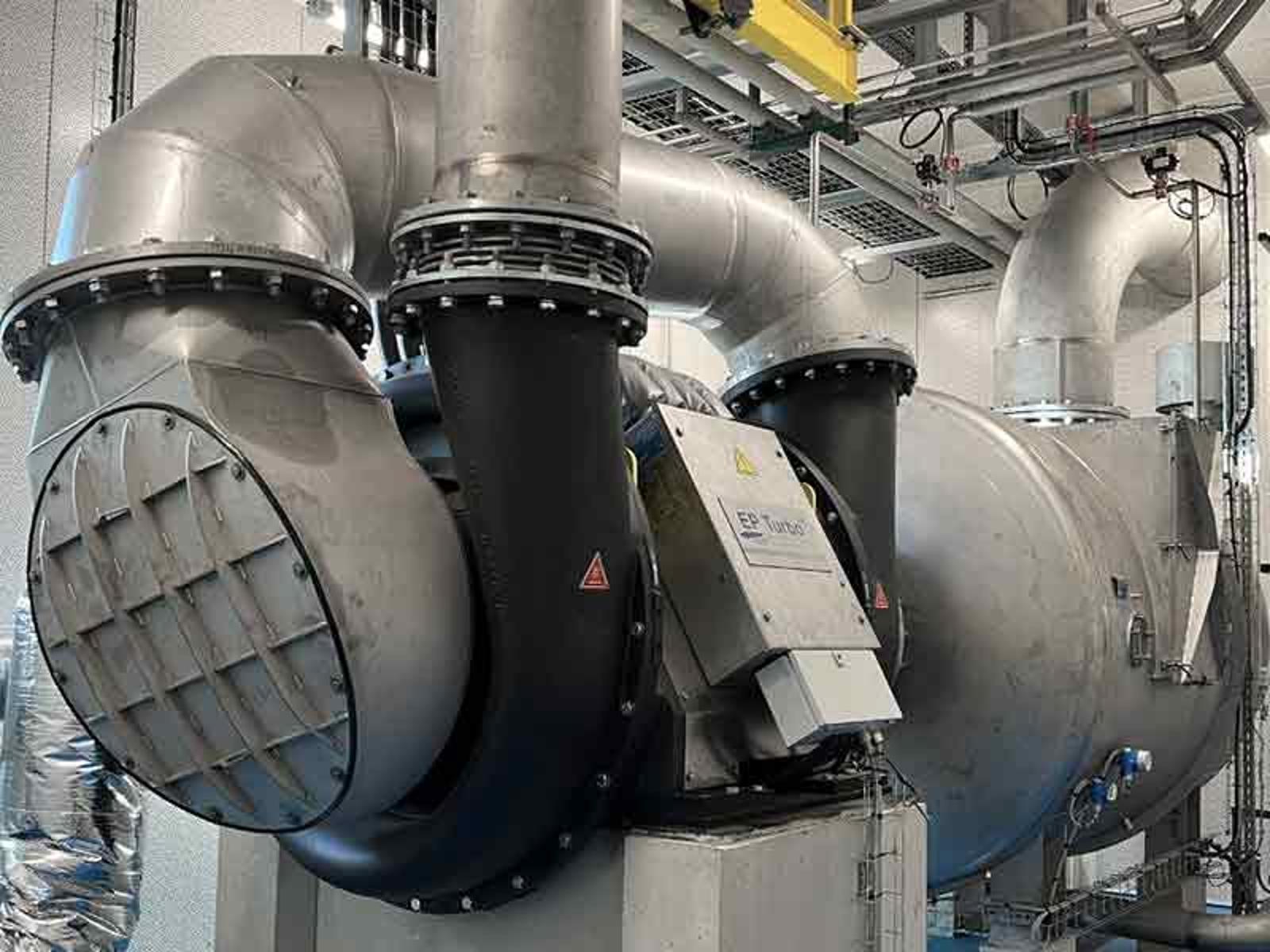
The RunEco Paper Machine Vacuum Blower System consists of EP Series Turbo Blowers, EcoDrop Water Separators and an EcoFlow Dewatering Measurement System. EP Turbo Blowers are thoroughly modern blowers that use a high-speed motor controlled by a frequency converter. Their rotation speed and vacuum level can be adjusted according to the process requirements. The EcoFlow Dewatering Measurement System provides accurate real-time feedback on dewatering performance. With sensors located along the paper machine, it can be used to optimize dewatering and vacuum levels in the forming and press sections.

At Runtech, our goal is to be your one stop shop for dewatering and vacuum systems that fit all your requirements and budgets.
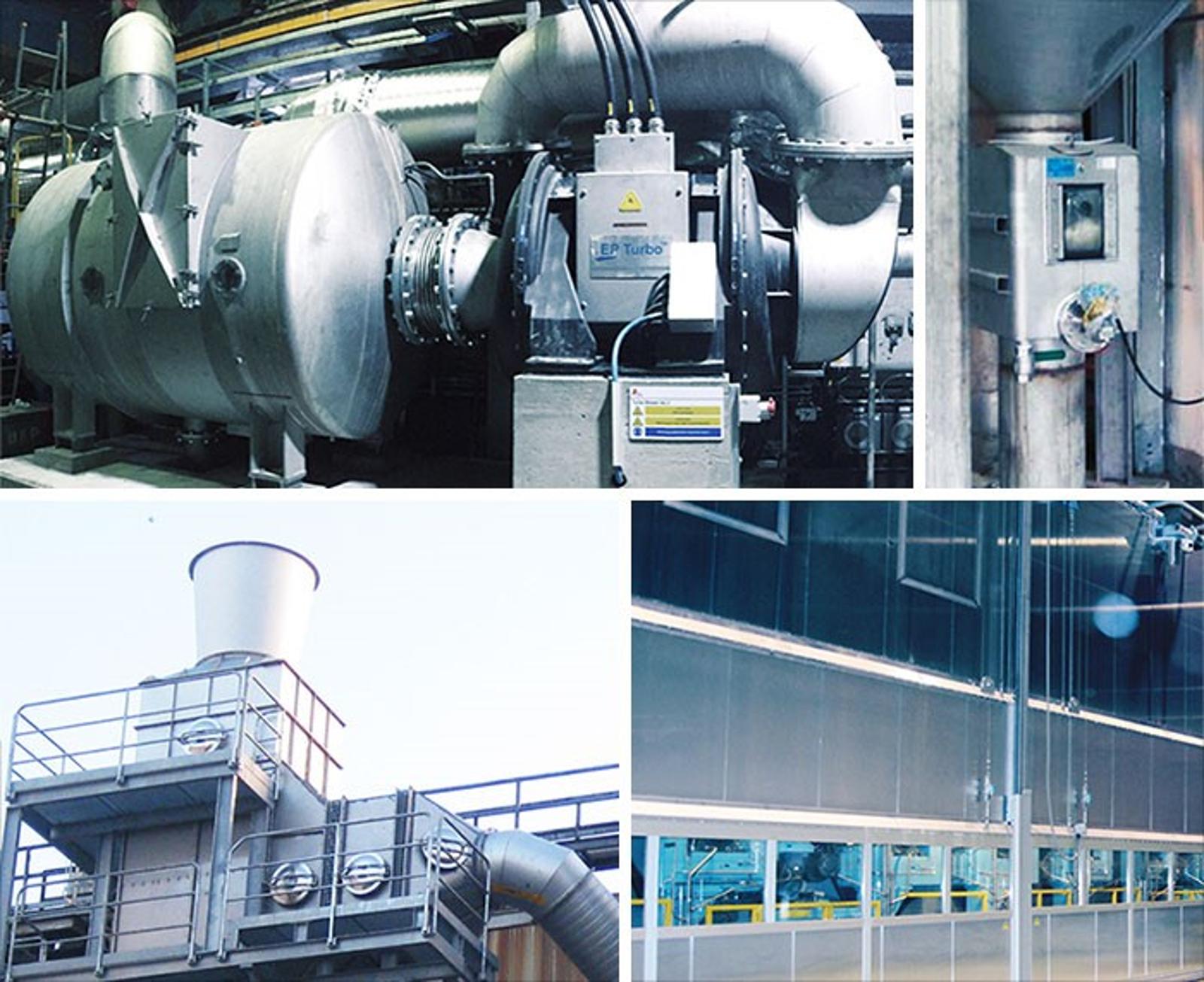
A RunEco Paper Machine Vacuum Blower System offers:

  • Savings of 30% to 70% in energy compared to traditional vacuum systems
  • No water usage
  • Lower CO2 emissions and a smaller carbon footprint
  • EP Turbo Blowers that operate with variable speed and capacity
  • Quick optimization with no need to bleed air
  • Minimal throttling and expansion losses


Responsive Vacuum Systems for Dynamic Paper Machine Environments

Runtech's dry vacuum systems feature adjustable capacity to match the actual needs of the paper machine. The demand for vacuum can be determined by several factors, including water removal for flatboxes and Uhle boxes, gauged by EcoFlow dewatering measurements, or by the runnability for pick-up rolls and press suction rolls. It’s not uncommon to initially require higher vacuum levels for pick-up rolls, which can then be reduced to achieve energy efficiencies without compromising on performance.

The capacity to swiftly adapt to changing operational conditions is a hallmark of Runtech’s vacuum systems. For instance, in a press rebuild, the system may be optimized to function efficiently at far lower capacities than the OEM design points, underscoring the value of an adjustable and responsive vacuum system.

Runtech Systems offers a highly-engineered and unique dewatering and vacuum system. With over 20 years of optimizing dewatering and vacuum systems globally, we can help you get the most out of your equipment, and improve your papermaking process.

Integrating EcoFlow dewatering measurements into vacuum system rebuilds extends benefits beyond electricity savings. It also simplifies vacuum control, improves moisture extraction, conserves water, accelerates felt conditioning, reduces felt costs, increases production, and facilitates the recovery of exhaust air heat energy.